

Lakshika Kaushik
Mobile Addiction in Kids: Signs, Causes & Therapy in Gurgaon!
Excessive mobile and screen use in children can affect sleep, concentration, daily routines, family interactions, and emotional well-being. When a child becomes highly dependent on a phone for entertainment, comfort, or distraction and struggles to stop using it, parents may need to look more closely at the child's screen-use habits and underlying needs.
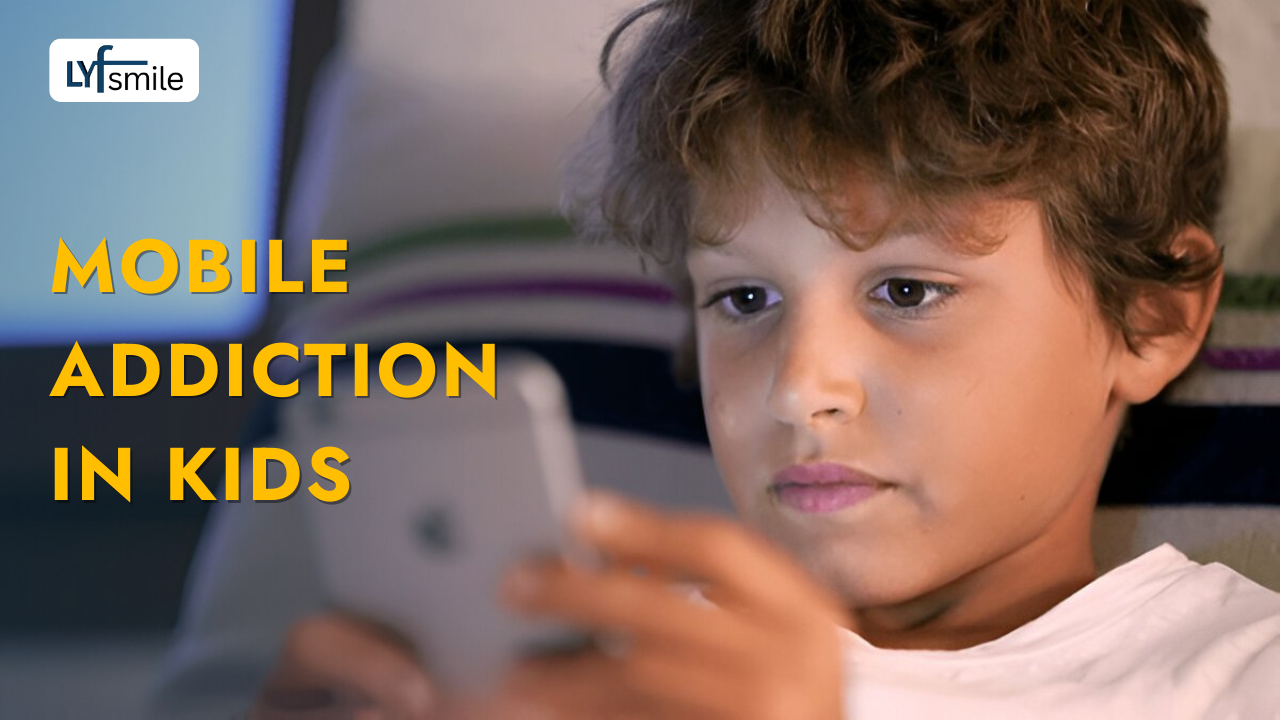
What parents describe as mobile addiction in kids can involve frequent demands for screen time, irritability when the device is removed, difficulty concentrating on schoolwork, reduced interest in offline activities, sleep disruption, or using screens to cope with boredom or difficult emotions.
Children today spend hours on YouTube, gaming apps, reels, cartoons, and social media, often without supervision. This continuous stimulation affects their developing brain, emotional balance, and ability to concentrate. You can find Mobile Addiction Therapy for Kids in Gurgaon for better treatment.
Excessive screen use often affects more than just a child's routine. Professional Child Counseling, guidance from an experienced Child Therapist, and early Child Mental Health Counseling help children develop healthier habits, improve emotional regulation, and reduce dependence on mobile devices.
Visit us at Sushant Lok Phase I, Sector 43, Gurugram, Haryana 122002, Gurgaon, or call us at +91 9804791047 to schedule an appointment.
What Are the Signs of Excessive Mobile Use in Kids?
Parents often start noticing these warning signs:
The child becomes angry or irritable when the phone is taken away
Difficulty concentrating on studies
Constant demand for screen time
Low interest in outdoor play
Eating only while watching videos
Trouble sleeping
Reduced attention during conversations
Social withdrawal or avoiding family time
Emotional Behaviors Seen in Addicted Kids
Emotionally, screen-dependent children show:
Low patience
Frequent mood swings
Anxiety or restlessness
Lack of self-control
Strong fear of boredom
Parents in Gurgaon increasingly search for mobile addiction in kids because they realise mobile overuse is not “just a phase” but a serious behavioral concern that requires professional help. If these behaviours continue for several weeks, professional Child Behavior Therapy can help children develop self-control, improve attention, and gradually reduce screen dependency in a healthy and structured way.
Why Do Children Become Dependent on Screens?
 Children do not get addicted randomly. There are psychological, social, and neurological reasons behind screen dependency.
1.Brain’s Dopamine Response
Mobile screens release dopamine, the brain’s “feel-good” chemical.
Fast videos, colorful animations, and unpredictable rewards (like game scores) keep the brain craving more. Kids easily fall into this cycle because their self-control area is not fully developed.
2. YouTube/Reels Addiction
Platforms like YouTube Kids, gaming videos, reels, and endless scrolling keep children hooked because:
They are fast.
Highly stimulating
Always surprising
Require no effort
The brain becomes addicted to instant gratification.
3. Easy Escape From Reality
Many children use phones to escape:
Boredom
Homework stress
Social discomfort
Emotional confusion
Instead of learning coping skills, the phone becomes a shortcut to avoid real-life challenges.
4. Lack of Outdoor Play
Urban lifestyle, small play areas, and busy parents reduce physical activity. With fewer offline activities, screens become the only entertainment.
5. Parents Giving Phones for Convenience
Parents unintentionally contribute to addiction by giving phones:
During meals
To stop tantrums
While working
During travel
While visiting relatives
This reinforces the habit and strengthens dependency.
This is why many families turn to find the best child therapy in Gurgaon to understand the root cause and begin structured treatment. Along with therapy, consistent Child Emotional Support from parents plays a key role in helping children cope with boredom, frustration, and emotional triggers without relying on screens..
Effects of Excessive Screen Time on Children
Excessive mobile use affects the child’s mind, behavior, academics, relationships, and overall development. This is one major reason parents seek Mobile Addiction in Kids: Best Therapy in India to protect their child's healthy growth.
1. Anger & Irritability
Screens reduce frustration tolerance. Children get angry easily when:
They lose a game.
Video is paused
Phone is taken away
Asked to study instead
This leads to aggressive reactions, shouting, and emotional meltdowns.
2. Low Focus & Attention Problems
Fast-paced videos train the brain for quick rewards, making it harder to stay focused on slow activities like:
Reading
Homework
Schoolwork
Listening in class
Teachers often report, “Your child gets distracted quickly.”
3. Academic Decline
Mobile addiction leads to:
Poor memory
Slow comprehension
Weak problem-solving
Poor writing skills
Reduced learning interest
Even bright children start scoring low.
4. Sleep Issues
Late-night screen use causes:
Delayed sleep
Restlessness
Fatigue
Poor morning mood
Blue light blocks melatonin, the sleep hormone, causing long-term sleep disorders.
5. Social Withdrawal
Children prefer spending time with screens instead of:
Playing with friends
Talking with family
Going outdoors
Over time, this affects confidence, communication, and emotional bonding.
6. Physical Problems
Eye strain
Neck pain
Poor posture
Weight gain
Headaches
Childhood inactivity can become harmful in the long run.
How Therapists in Gurgaon Treat Mobile Addiction in Kids
 Breaking screen dependency requires professional support. Gurgaon parents trust structured treatment for mobile addiction in kids because it leads to long-term behavioral improvement and healthier digital habits. Mobile Addiction Therapy for Kids in Gurgaon is available with the best therapist.
Here is how therapists help:
1. Counseling Sessions
Therapists identify why the child uses the phone:
Boredom
Stress
Loneliness
Poor focus
Emotional comfort
Through play-based and talk therapy, children open up and discuss their emotions freely.
2. Behavior Therapy (CBT)
CBT helps children:
Reduce phone cravings
Improve emotional control
Handle boredom
Develop patience
Build healthy routines
Manage anger
CBT is one of the most effective treatments for digital addiction.
3. Parent Guidance Sessions
Parents get strategies to:
Reduce dependency
Handle tantrums calmly
Build healthy screen rules
Create strong routines
Improve communication
Increase bonding activities
When parents change their approach, children improve faster.
4. Personalized Digital Detox Plan
Therapists design a child-friendly detox plan:
Gradual reduction (not sudden removal)
Time-limited screen schedule
Replacement activities
Outdoor routine
Sleep improvement plan
Emotional skill-building
The goal is smooth and sustainable improvement, not punishment.
5. Emotional Skill Development
Therapists teach:
Problem-solving
Self-regulation
Confidence
Social skills
Patience
Stress management
Once emotional health improves, screen dependency naturally drops.
Why Gurgaon Parents Trust Lyfsmile Therapists
 Lyfsmile is among the most trusted centers offering the best therapy in Delhi because of its expert team, child-friendly environment, and consistent results. Parents across Gurgaon rely on Lyfsmile due to its structured therapeutic methods, transparent guidance, and strong understanding of digital dependency in children.
1. Expert Team
Mrs. Tanya Sachdev : Clinical Psychologist
A highly experienced child psychologist specializing in emotional development and screen dependency issues. Her warm and engaging approach helps children open up comfortably.
Dr. Shraboni Nandi : Clinical Psychologist
Expert in developmental and child psychology, digital addiction management, and behavioral therapies like CBT. She focuses on long-term habit correction and emotional balance.
Ms. Gunjan Bhatia : Child Psychologist & Behavior Therapist
Specialist in attention issues, hyperactivity, and behavioral transformation. She designs structured routines and practical behavior plans that work well for young children.
Ms. Priyanka Sharma : Clinical Psychologist
Experienced in handling emotional concerns, anxiety, and screen-related behavioral changes. She builds strong rapport with children and provides actionable guidance to parents.
2. Child-Friendly Therapy Approach
Therapy sessions are:
Play-based
Friendly
Stress-free
Interactive
Children feel comfortable and enjoy attending sessions.
3. Personalized Detox Plans
Every child gets a unique plan based on:
Age
Behavior
Screen habits
Emotional needs
Family routine
This ensures long-term recovery.
4. Parent Coaching System
Parents learn:
How to stop tantrum cycles
How to set boundaries
How to communicate effectively
How to structure daily routines
This makes therapy successful at home too.
5. High Success Rate
Most families see improvements like:
Reduced anger
Better focus
Less screen craving
Improved sleep
Better study habits
Stronger bonding
Gurgaon parents consistently recommend for offering the most effective therapy for children struggling with excessive mobile use.
When Should Parents Seek Help? You should contact a therapist when your child:
Cries without the phone
Eats only with screens
Gets aggressive when the phone is taken away
Shows low concentration
Sleeps late due to mobile use
Refuses to study
Uses screens as emotional comfort
Avoids outdoor activities
Early treatment prevents long-term harm.
Mobile Addiction Therapy in Gurgaon
To enhance the page by including nearby locations relevant to "Mobile Addiction Therapy for Kids in Gurgaon," you can list specific areas, neighbourhoods, or landmarks that potential clients might recognise. This will help improve local intent and make it easier for families to find your services. Here’s how you can incorporate nearby locations:
Nearby Locations for Mobile Addiction Therapy
Sector 14: A family-friendly area with easy access to therapy services.
Udyog Vihar: Convenient for working parents looking for after-work therapy sessions.
Golf Course Road: A popular area for residents seeking child counseling services.
Huda City Centre: A central location that is easily accessible via public transport.
Sushant Lok: Close to many schools, making it convenient for parents.
DLF Phase 1 & 2: Residential areas with a high concentration of families.
Manesar: For families living slightly outside Gurgaon but seeking local therapy options.
Palam Vihar: A nearby neighbourhood with growing awareness about child mental health.
Conclusion
Mobile addiction in kids is becoming one of the biggest challenges for parents, affecting focus, behavior, sleep, and emotional health.
Recognising the early signs can prevent long-term problems and help children return to a healthy routine.
Lyfsmile provides structured therapy, behaviour correction, and parent guidance to ensure lasting improvement.
With experienced child psychologists and a friendly environment, children feel safe, supported, and understood.
If your child depends on screens for comfort, gets upset without the phone, or struggles to study, early help is important.
Families across India can also access Online Child Counseling with a Child Psychologist Online India, making expert support available even when visiting a clinic is not possible.
Don't wait for the signs to escalate, reach out to Lyfsmile for a consultation and help your child regain control over their screen time.
Frequently asked questions ( FAQ )
What are the signs of excessive mobile use in children?
Common signs include difficulty stopping screen use, irritability when the phone is taken away, frequent requests for screen time, reduced interest in offline activities, sleep difficulties, trouble concentrating on schoolwork, and using screens to cope with boredom or difficult emotions. These signs should be considered as part of the child's overall behaviour and daily routine.
How can I reduce my child's screen time?
Set clear and consistent screen-time boundaries, create screen-free periods such as during meals and before bedtime, and offer alternatives such as outdoor play, hobbies, reading, or family activities. It can also help to give your child a warning before screen time ends and understand what may be triggering excessive phone use.
Why does my child get angry when I take the phone away?
A child may become angry or upset when a phone is removed because they are highly accustomed to screen stimulation or use the device for entertainment or emotional comfort. Staying calm, setting consistent boundaries, and gradually helping the child transition to other activities can make this easier. If the reactions are severe or persistent, professional guidance may help.
Is mobile addiction a mental health condition?
The term “mobile addiction” is commonly used to describe problematic or excessive phone use, but parents should not diagnose a child based only on screen time or a few behaviours. A qualified mental health professional can assess whether the child's screen use is connected to behavioural, emotional, developmental, or other concerns.
Can therapy help children who are overly dependent on phones?
Yes, therapy may help when excessive screen use is affecting a child's emotions, behaviour, routines, or relationships. A child therapist can explore the reasons behind the behaviour and work with the child and parents on emotional regulation, healthier coping strategies, screen-time boundaries, and alternative activities.
When should I take my child to a therapist for excessive screen use?
Consider professional support when screen use consistently interferes with your child's sleep, schoolwork, relationships, physical activity, or emotional well-being, or when the child continues to struggle despite consistent boundaries at home. A therapist can assess the underlying factors and suggest an appropriate approach.
Is online child counselling available in Gurgaon?
Yes, online child counselling in Gurgaon may be an option depending on the child's age, concerns, therapist, and suitability of the online format. Parents can discuss their child's behaviour and screen-use concerns with a qualified child mental health professional to determine whether online or in-person support would be more appropriate.