

Sarvesh Kumari
Panic Attacks Before Meetings: Causes, Symptoms & How to Cope
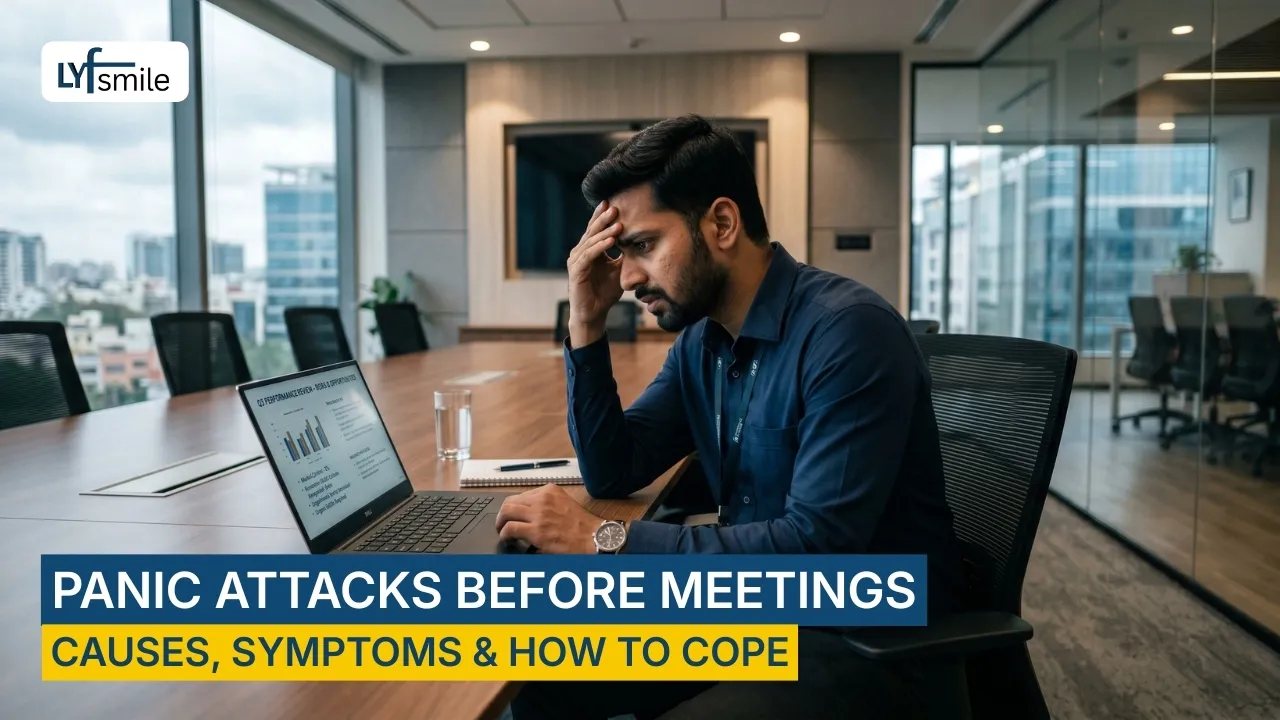
Panic attacks before meetings can cause intense physical and emotional symptoms such as a racing heart, sweating, trembling, chest tightness, dizziness, and fear of losing control. They may be triggered by performance pressure, fear of judgment, workplace stress, previous difficult experiences, or underlying anxiety.
Feeling nervous before an important meeting is common. However, when anxiety becomes intense, happens repeatedly, affects your ability to participate in meetings, or makes you avoid work situations, it may need further attention.
What Happens During a Panic Attack Before a Meeting?
A panic attack can trigger an intense fight-or-flight response, causing sudden physical and emotional symptoms even when there is no immediate physical danger. These symptoms can feel frightening and may make an upcoming meeting or presentation seem more threatening than it actually is.
During workplace panic attacks, your brain activates its natural fight or flight response.
What Are the Symptoms of a Panic Attack Before a Meeting?
Racing heart: Your heartbeat may suddenly become fast or feel like it is pounding.
Sweating or trembling: Your hands may become sweaty, or your body may shake.
Shortness of breath: You may feel unable to take a comfortable breath or experience chest tightness.
Dizziness or lightheadedness: You may feel unsteady or disconnected from your surroundings.
Fear of losing control: You may worry that you will freeze, panic, embarrass yourself, or be unable to speak.
Nausea or stomach discomfort: Anxiety can also affect the digestive system.
Intense fear: A sudden feeling of fear or dread may arise even when you are not in immediate danger.
Experiencing one or more of these symptoms does not automatically mean that you have panic disorder. The pattern, frequency, intensity, and impact on your daily life are important to consider.
Are Panic Attacks Before Meetings a Sign of an Anxiety Disorder?
Not always. Many people experience anxiety before an important meeting, presentation, or interview. This is often called situational anxiety because it happens in response to a specific event.
However, if panic attacks happen often, start affecting your work, or make you avoid meetings altogether, they could be a sign of an underlying anxiety disorder or panic disorder.
Why does it happen in the morning specifically?
Your body naturally releases a surge of cortisol (your main stress hormone) right after you wake up. For people who are already anxious, that surge, combined with thoughts about the day ahead, can tip things over into a full panic attack.
According to the American Psychological Association, panic disorder affects approximately 2–3% of adults globally, with high-pressure workplace settings being one of the most common triggers among working-age adults.
Although a panic attack before a meeting can feel frightening, it does not mean you are weak or incapable. Many successful professionals experience the same workplace anxiety symptoms. The key is understanding whether these episodes are simply occasional nerves or a sign that your anxiety needs more attention and support.
Meeting Anxiety vs. Panic Attack: What's the Difference?
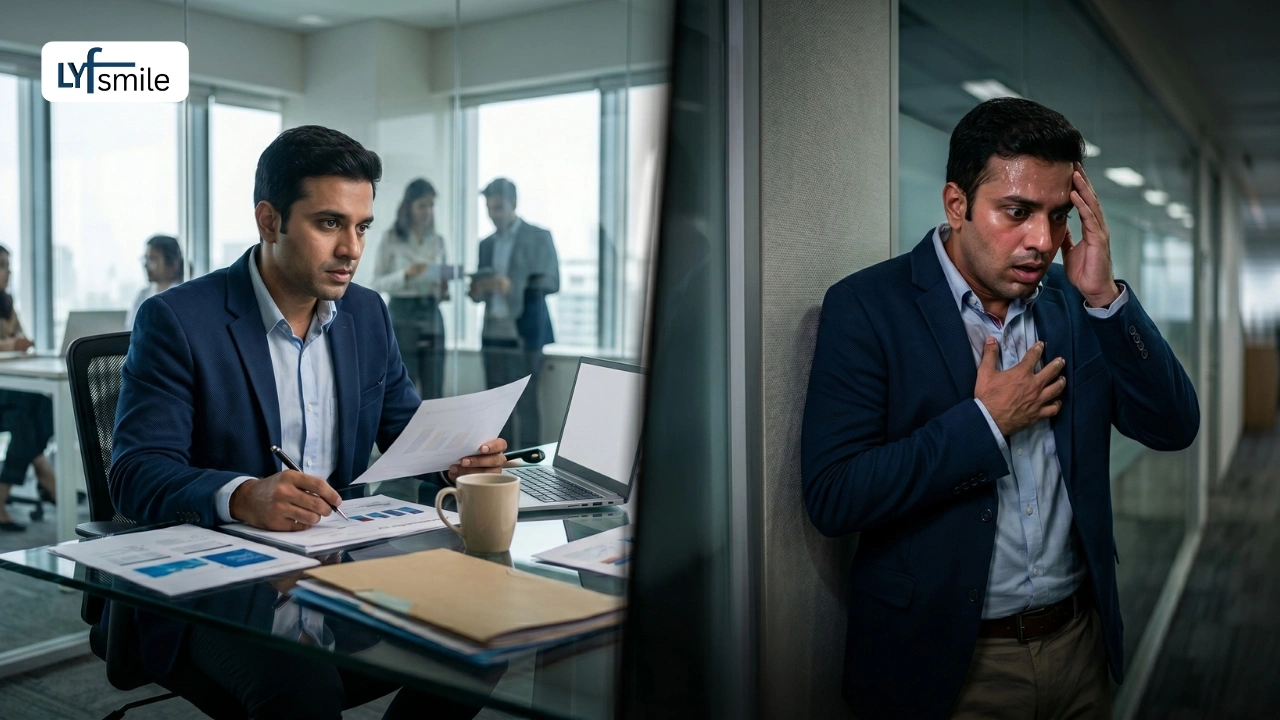 A little nervousness before an important meeting is completely normal and even useful. A small amount of adrenaline sharpens focus and improves performance. But a panic attack is something entirely different.
Normal pre-meeting nerves feel like mild butterflies, a slight increase in heart rate, and some restlessness and they settle naturally once the meeting begins. They do not stop you from functioning.
A panic attack before a meeting feels like intense, overwhelming physical symptoms: pounding heart, chest tightness, shaking hands, dizziness, that escalate rather than settle once you are in the room. The urge to escape feels impossible to resist. You leave the meeting exhausted and shaken. And over time, these episodes start happening more frequently and with less provocation.
Normal Nerves | Panic Attack | |
Intensity | Mild | Intense |
Timing | Settles once meeting starts | Escalates during meeting |
Physical symptoms | Mild butterflies | Pounding heart, chest tightness, dizziness |
Functioning | Not affected | Significantly affected |
Pattern | Occasional | Increasing frequency |
If the second column sounds like your experience, what you are dealing with is not ordinary nerves. It is work-related panic anxiety. And it deserves proper, structured attention.
Why Do Panic Attacks Happen Before Meetings?
Not everyone gets panic attacks before meetings. The answer lies in a combination of thought patterns, nervous system sensitivity, and past experiences.
Fear of Judgment and Being Evaluated
Many people with social anxiety in meetings worry about saying the wrong thing or being negatively judged by colleagues. This fear of speaking in meetings can make even routine office discussions feel overwhelming.
Perfectionism and High Internal Standards
Perfectionists suffer some of the most intense pre-meeting anxiety. Because they demand flawless performance at all times, any situation with uncertainty immediately triggers the alarm. The higher the stakes, the more intense the panic.
A Past Difficult Meeting Experience
A bad presentation or embarrassing moment at work can create lasting public speaking anxiety and make future meetings feel unsafe.
High Background Anxiety From Work Pressure
India's working professionals experience some of the highest chronic stress levels globally. A 2023 Deloitte survey found that 80% of Indian employees reported workplace stress as a significant concern.
Imposter Syndrome
Feeling like you do not truly belong in your role that colleagues will eventually see through you, creates a constant low-level threat. This explodes in any high-visibility situation like a meeting or presentation. Every meeting feels like an audition you cannot afford to fail.Ongoing workplace stress can keep anxiety levels elevated, making even routine meetings or presentations feel more threatening. Heavy workloads, difficult workplace relationships, performance pressure, or uncertainty about work can all contribute to increased anxiety
Can Panic Attacks Happen During Online Meetings?
Yes. Online meetings can also trigger anxiety or panic symptoms. Being on camera, worrying about speaking, feeling watched by colleagues, or being concerned about making a mistake can increase anxiety for some people.
Preparing talking points in advance, taking a few slow breaths before joining the call, and using grounding techniques can help you feel more prepared and present during virtual meetings.
5 Ways to Manage Anxiety Before a Meeting
 Breathing
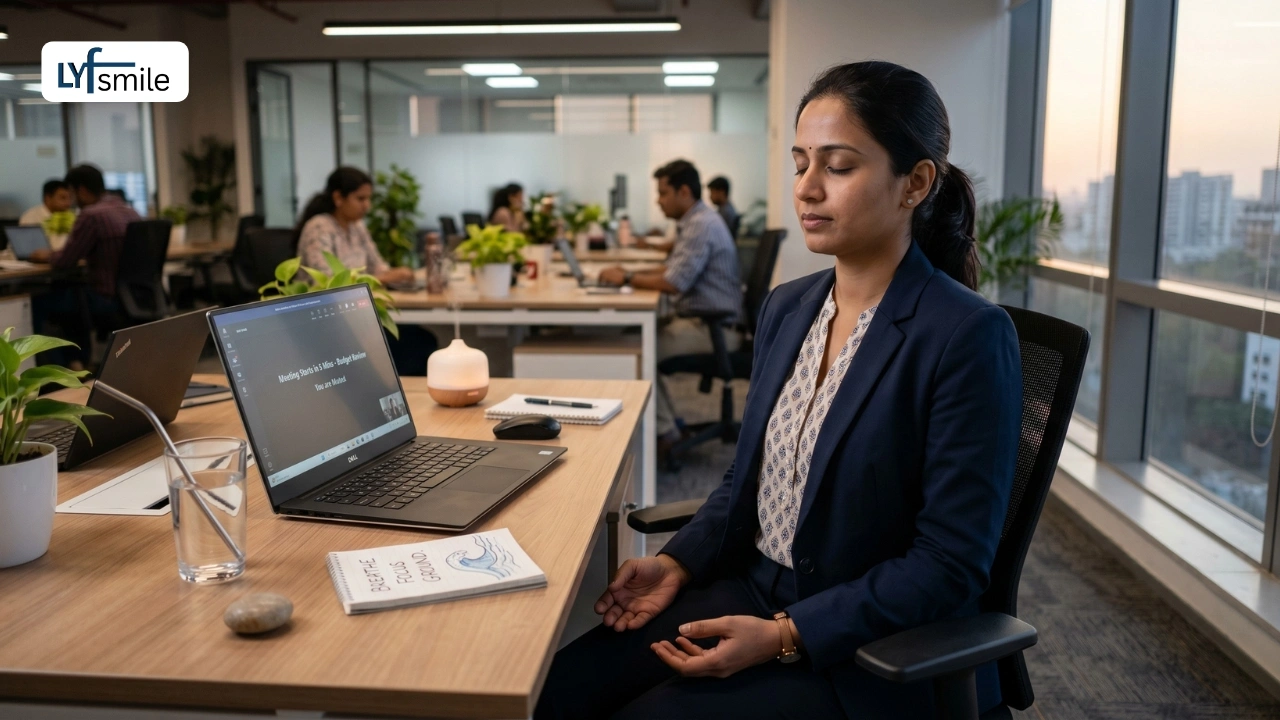
Slow, controlled breathing may help reduce physical arousal and give you a moment to regain a sense of control. Breathe slowly and comfortably rather than forcing deep breaths. Focus on making your breathing steady and allowing your body to relax.
Grounding
Grounding can help shift your attention away from anxious thoughts and back to the present moment. Try noticing five things you can see, four things you can touch, three things you can hear, two things you can smell, and one thing you can taste.
Step 3 - Challenge the Catastrophic Thought
Every panic attack is driven by a specific thought — usually something like "I am going to freeze and look incompetent." These thoughts feel like facts. They are not. Ask yourself:
What exactly am I afraid will happen?
Has this specific scenario actually happened before?
What is the most realistic outcome — not the worst case?
Even if something goes slightly wrong, have I survived that before?
Cognitive Behavioural Therapy (CBT) helps people manage performance anxiety at work by changing the negative thought patterns that fuel panic
Release the Physical Adrenaline
Adrenaline is a physical substance in your bloodstream — it cannot be thought away. If you have 3 minutes before your meeting: walk briskly up a corridor, do 10 shoulder rolls, shake your hands out loosely for 30 seconds, or clench both fists hard for 5 seconds then release. This burns off circulating adrenaline and releases the muscle tension that amplifies your symptoms.
Use a Calm Anchor Statement
Prepare one honest, grounded statement you genuinely believe and repeat it before walking in. For example: "I have prepared for this. I belong in this room." Or: "My heart is racing because I care — and that care makes me better at my job." This does not eliminate anxiety but prevents it from escalating into full panic by interrupting the catastrophic thought loop.
These simple stress management techniques help improve emotional regulation and build lasting confidence at work.
When Should You Seek Professional Support for Meeting Anxiety?
Consider professional support if panic attacks before meetings happen repeatedly, cause you to avoid work situations, interfere with your performance, or begin affecting your confidence and daily life.
A mental health professional can help identify the thoughts, situations, and experiences contributing to your anxiety and teach practical strategies for managing panic symptoms, workplace anxiety, and avoidance.
Cognitive Behavioural Therapy (CBT) is one approach that may be used to work on unhelpful thought patterns, anxiety triggers, and coping strategies. The most appropriate treatment depends on the individual's symptoms and circumstances.
Online & In-Person Panic Attack Therapy: Delhi, Gurgaon & Across India
Whether you prefer to speak from the privacy of your home or want a face-to-face session, getting the right support should not be complicated.
All Lyfsmile therapists are available for online sessions across India including professionals in Mumbai, Bangalore, Hyderabad, Chennai, Pune, and across India. Sessions are conducted on secure platforms and can be scheduled around your work timings, including early mornings, evenings, and weekends.
In-person sessions are available at our centres in Gurgaon and Delhi. We support clients from across Delhi NCR including Noida, Faridabad, Panipat, and surrounding areas. Same-day in-person appointments are available.
Conclusion
Panic attacks before meetings can feel overwhelming, but experiencing intense anxiety does not mean that you are incapable of handling your work. Understanding your triggers, preparing for meetings, practising coping strategies, and challenging unhelpful thoughts can help you manage meeting anxiety.
If panic attacks happen frequently, lead you to avoid meetings, or begin affecting your work and everyday life, consider speaking with a qualified mental health professional. With appropriate support, you can learn practical ways to manage workplace anxiety and feel more confident in professional situations.
Frequently Asked Questions
Why do I get panic attacks before work meetings?
Panic attacks before work meetings may be associated with performance pressure, fear of judgment, workplace stress, previous difficult experiences, or underlying anxiety. Identifying the specific situations and thoughts that trigger your symptoms can help you understand the pattern.
What are the symptoms of a panic attack before a meeting?
Symptoms may include a racing heart, sweating, trembling, shortness of breath, chest tightness, dizziness, nausea, intense fear, or fear of losing control. Symptoms vary from person to person.
How can I calm anxiety before an important meeting?
Slow breathing, grounding exercises, meeting preparation, challenging catastrophic thoughts, and reducing physical tension may help manage anxiety before a meeting. If anxiety happens frequently or interferes with work, consider speaking with a mental health professional.
Is meeting anxiety the same as social anxiety?
Not necessarily. Meeting anxiety may occur specifically around work meetings, presentations, or performance situations, while social anxiety generally involves a broader and persistent fear of being judged or embarrassed in social situations.
Can workplace stress cause panic attacks?
High levels of workplace stress may contribute to anxiety and trigger panic symptoms in some people. If workplace stress is consistently affecting your mental health, work performance, or daily life, professional support may be helpful.
Can therapy help with panic attacks before presentations?
Yes. Therapy can help identify the thoughts, behaviours, and situations contributing to panic symptoms. CBT and other therapeutic approaches may help people develop healthier ways of responding to anxiety and performance-related situations.
Are online counselling sessions suitable for workplace anxiety?
Online counselling can be a convenient option for people experiencing workplace anxiety or panic symptoms. A qualified therapist can assess your concerns and help determine whether online therapy is appropriate for your needs.